Introduction
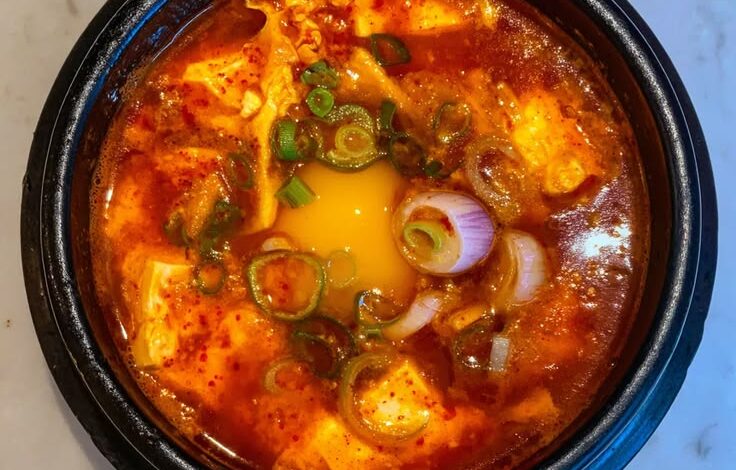
Hello, food lovers! Are you ready to dive into a bowl of pure comfort and vibrant flavor? Today, we’re making Sundubu Jjigae, often known simply as Sundubu Bowl. This iconic Korean soft tofu stew is a symphony of savory, spicy, and deeply satisfying flavors. It features incredibly silky, soft tofu simmering in a rich, spicy broth, often with your choice of meat or seafood, and an egg cracked right into the hot stew. It’s a hug in a bowl, perfect for warming you from the inside out.
You might think making authentic Korean food is complicated, but I promise you, this Sundubu Bowl recipe is surprisingly easy and quick to master. With a few key ingredients and simple steps, you can create a restaurant-quality dish right in your own kitchen. It’s perfect for a cozy weeknight meal or when you’re craving something truly special without spending hours in the kitchen. The magic happens quickly, building layers of flavor in no time.
So, gather your ingredients and get ready to create a bowl of pure deliciousness. This recipe is designed to be approachable for everyone, whether you’re a seasoned chef or a kitchen beginner. I’m so excited for you to try this incredibly satisfying and flavorful Sundubu Bowl. Let’s get cooking!
Cooking Time & Prep Time
- Prep Time: 20 minutes
- Cooking Time: 20 minutes
- Total Time: 40 minutes
Small tip: To speed things up, chop your vegetables and measure out all your sauce ingredients while your pan is heating. This makes the cooking process much smoother.
Ingredients
This recipe makes 4 generous servings.
- For the Flavor Base:
- 1 tablespoon sesame oil
- 1/2 cup thinly sliced pork belly or beef (or mushrooms for vegetarian)
- 1/2 cup chopped kimchi (well-fermented is best)
- 1 small onion, thinly sliced
- 2 cloves garlic, minced
- 1 teaspoon fresh ginger, grated
- 3 tablespoons gochugaru (Korean chili flakes), adjust to your spice preference
- 1 tablespoon soy sauce (or tamari for gluten-free)
- 1 teaspoon sugar
- 1/2 teaspoon black pepper
- For the Stew:
- 4 cups water or anchovy broth (or vegetable broth for vegetarian)
- 1 small zucchini, quartered lengthwise and then sliced
- 1 cup fresh mushrooms (shiitake, oyster, or enoki), torn or sliced
- 2 (12-ounce) packages silken or extra-soft tofu, gently drained
- 4 large eggs
- For Garnish:
- 2 green onions, thinly sliced
- 1 teaspoon toasted sesame seeds
- Extra gochugaru (optional, for extra spice)
Step-by-Step Instructions
-
Step 1: Prepare Your Ingredients
Start by gathering and preparing all your ingredients. Slice your pork belly or beef into thin strips. Chop your kimchi and onion. Mince the garlic and grate the ginger. Gently drain the silken tofu, but do not press it. It needs to retain its delicate texture.
Small tip: Having everything prepped before you start cooking is called “mise en place” and makes the whole process much more enjoyable and efficient.
-
Step 2: Sauté Aromatics and Protein
Heat the sesame oil in a medium pot or a Korean dolsot (stone pot) over medium-high heat. Add the sliced pork belly or beef. Cook until browned and crispy, about 3-5 minutes. If using mushrooms for a vegetarian option, add them now and cook until softened.
Small tip: Don’t overcrowd the pot when browning the meat. If you’re making a large batch, you might want to cook the meat in two batches.
-
Step 3: Build the Flavor Base
Push the cooked protein to one side of the pot. Add the sliced onion, minced garlic, and grated ginger to the other side. Sauté for 2-3 minutes until fragrant and the onion softens. Now, add the gochugaru, soy sauce, sugar, and black pepper. Stir everything together with the protein and kimchi. Cook for another 1-2 minutes, stirring constantly, to toast the chili flakes and deepen the flavors.
Small tip: Cooking the gochugaru briefly in oil helps release its deep color and flavor, but be careful not to burn it, as it can turn bitter.
-
Step 4: Add Liquids and Vegetables
Pour in the water or broth. Bring the mixture to a boil. Once boiling, add the sliced zucchini and mushrooms. Reduce the heat to medium-low, cover, and let it simmer for about 5-7 minutes, allowing the vegetables to soften and the flavors to meld beautifully.
Small tip: Using anchovy broth (dashima-gukmul) will give your sundubu a more authentic and deeply savory Korean flavor. You can find ready-made broth or make your own with dried anchovies and kelp.
-
Step 5: Add Tofu and Eggs
Gently scoop the silken tofu directly into the simmering stew. Do not break it up too much; large, delicate chunks are part of the dish’s charm. You can use a spoon to scoop it in. Continue to simmer for another 3-5 minutes, allowing the tofu to heat through and absorb the delicious broth.
Small tip: Add the tofu very gently to avoid breaking it into tiny pieces. The beauty of sundubu is its large, custardy curds.
-
Step 6: Finish and Serve
Carefully crack one egg into each serving of the stew. Cover the pot again and cook for another 2-3 minutes, or until the egg whites are set but the yolks are still wonderfully runny. If you prefer a fully cooked yolk, cook for an extra minute or two. Remove from heat.
Small tip: Serve immediately while the stew is bubbling hot! The residual heat will continue to cook the egg to your liking.
Tips & Variations
- Gluten-Free Option: Easily make this dish gluten-free by swapping regular soy sauce for tamari. All other ingredients are naturally gluten-free.
- Vegan or Vegetarian Option: Omit the pork belly/beef and eggs. Use vegetable broth instead of anchovy broth. Ensure your kimchi is vegan (some brands use fish sauce). Add extra mushrooms, spinach, or firm tofu for more texture and protein.
- Add More Vegetables or Protein: Feel free to customize! Shrimp, clams, or even shredded chicken are fantastic protein additions. For more veggies, try adding a handful of fresh spinach, bok choy, or bell peppers in Step 4.
- Spicy Version: If you love heat, increase the amount of gochugaru to 4-5 tablespoons. You can also add a fresh sliced red or green chili pepper along with the garlic and ginger for an extra kick.
- Flavor Boost: For an even richer broth, add 1 tablespoon of gochujang (Korean chili paste) along with the gochugaru in Step 3. This adds a fermented depth and a touch of sweetness.
Nutritional Information
Approximate values per serving (based on 4 servings):
- Calories: 410 kcal
- Protein: 28g
- Carbohydrates: 25g
- Fat: 23g
Note: These values are approximate and may vary depending on the specific brands and amounts of ingredients used, especially the type of meat and fat content.
Health Benefits
This Sundubu Bowl is not just delicious; it’s packed with wonderful health benefits too!
The star ingredient, silken tofu, is an excellent source of plant-based protein, making it great for muscle repair and satiety. It’s also rich in calcium, essential for strong bones, and contains iron, which helps transport oxygen in the blood. Tofu is low in calories and can be a fantastic addition to a balanced diet.
Kimchi, the fermented cabbage, is a powerhouse of probiotics. These beneficial bacteria support gut health, aiding digestion and potentially boosting your immune system. Kimchi also provides a good dose of vitamins A and C, along with dietary fiber.
Garlic and ginger are more than just flavor enhancers. Both are known for their potent anti-inflammatory and antioxidant properties. Garlic contains allicin, which has immune-boosting effects, while ginger is often used to soothe digestive issues and reduce nausea.
With a variety of fresh vegetables like zucchini and mushrooms, this stew contributes essential vitamins, minerals, and fiber to your meal. Zucchini offers vitamins A and C, and mushrooms are a good source of B vitamins and selenium. This dish truly nourishes your body from the inside out.
Serving Suggestions
- Classic Pairing: Serve your Sundubu Bowl piping hot with a side of freshly steamed white or brown rice. The rice is perfect for soaking up all that delicious, spicy broth.
- Korean Feast: Pair it with a few traditional Korean banchan (small side dishes) like extra kimchi, pickled radishes, or seasoned spinach for a complete and authentic meal experience.
- Main Dish Delight: This stew is hearty enough to be a stand-alone main course, especially with the added protein and egg. It’s incredibly satisfying on its own.
- Meal Prep Idea: You can prepare the flavor base (Step 3) and broth (Step 4) ahead of time. Store it in the fridge. When ready to eat, simply bring it to a simmer, add the tofu and egg, and cook until done.
Storage Tips: Leftover Sundubu Bowl can be stored in an airtight container in the refrigerator for up to 3-4 days. It’s best consumed fresh, especially with the delicate tofu. Freezing is not recommended for soft tofu, as its texture can become watery and crumbly upon thawing. To reheat, gently warm the stew on the stovetop over medium-low heat until heated through. If you’re reheating, you can always crack a fresh egg into it for that wonderful runny yolk experience.
Conclusion
There you have it – your very own homemade Sundubu Bowl! This dish truly embodies the best of Korean comfort food: a perfect balance of warmth, spice, and incredibly satisfying textures. The silky tofu, the rich, fiery broth, and the luscious egg all come together to create an unforgettable culinary experience. It’s a dish that warms the soul and delights the taste buds, making it a favorite in homes and restaurants alike.
Don’t be intimidated by the exotic name; as you’ve seen, making Sundubu at home is straightforward and incredibly rewarding. Each spoonful offers a burst of complex flavors that will have you coming back for more. It’s a testament to how simple ingredients can create something truly extraordinary.
So, go ahead, give this recipe a try! You’ll be amazed at how easy it is to bring these authentic Korean flavors into your kitchen. Share this comforting and delicious Sundubu Bowl with your family and friends, and watch their faces light up with every spoonful. Happy cooking!