Introduction
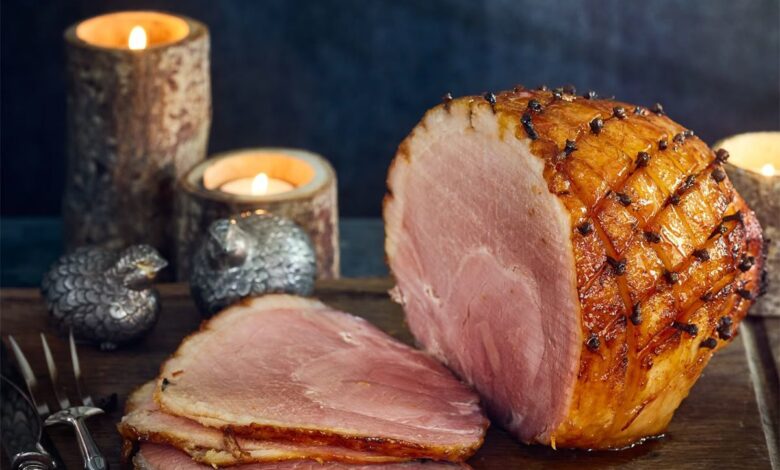
Get ready to discover a truly magnificent meal that’s surprisingly simple to create: Roast Gammon! This dish features a succulent, tender cut of cured pork, often glazed to perfection. It’s a showstopper for any occasion, from a festive holiday gathering to a comforting Sunday dinner. The rich, savory meat paired with a sweet and tangy glaze is simply irresistible.
You might think a dish this impressive takes hours of complicated work, but you’d be wrong! Roasting gammon is incredibly straightforward. With just a few simple steps and a bit of patience, you’ll achieve a perfectly cooked, flavorful gammon joint that will have everyone asking for your secret. It’s a wonderful alternative to traditional ham, offering a unique depth of flavor.
So, why not treat yourself and your loved ones to this delicious experience? This recipe will guide you through every step, ensuring a perfect result every time. Get ready to impress with your culinary skills and enjoy the amazing taste of homemade Roast Gammon!
Cooking Time & Prep Time
- Prep Time: 20 minutes
- Cooking Time: 120-180 minutes (depending on weight)
- Total Time: 140-200 minutes
Small tip: The cooking time for gammon depends on its weight. A good rule of thumb is 20 minutes per 500g after the initial simmering stage.
Ingredients
This recipe makes approximately 6-8 servings.
For the Gammon
- 1.5 – 2 kg (approximately 3-4 lb) uncooked gammon joint, smoked or unsmoked
- 2 liters (8 cups) cold water or apple juice (for simmering)
- 1 large onion, quartered
- 2 bay leaves
- 10 black peppercorns
- 5 whole cloves (optional)
For the Honey-Mustard Glaze
- 3 tablespoons clear honey
- 2 tablespoons Dijon mustard
- 1 tablespoon light brown sugar
- 1 tablespoon apple cider vinegar or orange juice
Equipment
- Large saucepan or stockpot
- Roasting tin
- Sharp knife
- Pastry brush
Step-by-Step Instructions
-
Step 1: Prepare the Gammon for Simmering
Unwrap your gammon joint. If it has a plastic netting, remove it carefully. Place the gammon into a large saucepan or stockpot. Ensure the pan is large enough for the gammon to be fully submerged.
Small tip: If your gammon is very salty (often unsmoked gammon is less salty than smoked), you can soak it in cold water for 2-3 hours, changing the water once, before simmering.
-
Step 2: Simmer the Gammon
Add the cold water (or apple juice), quartered onion, bay leaves, black peppercorns, and whole cloves to the pot with the gammon. Bring the liquid to a rolling boil over high heat, then reduce the heat to low, cover, and simmer gently for 60-90 minutes. The simmering time depends on the size of your joint; aim for about 30 minutes per 500g.
Small tip: Simmering helps to tenderize the gammon and remove some of its saltiness, resulting in a more balanced flavor.
-
Step 3: Preheat Oven and Prepare for Roasting
Once the simmering time is complete, carefully remove the gammon from the pot and place it on a chopping board. Discard the simmering liquid and aromatics. Preheat your oven to 180°C (350°F) fan / 200°C (400°F) conventional.
Small tip: Let the gammon cool slightly for a few minutes before handling to avoid burning yourself.
-
Step 4: Score the Fat
Using a sharp knife, carefully score the fat layer on top of the gammon in a criss-cross pattern, making diamond shapes. Be careful not to cut into the meat itself. This scoring helps the glaze penetrate and creates beautiful crispy crackling.
Small tip: If there’s a very thick layer of fat, you can trim some of it off before scoring, leaving about 1cm for flavor and texture.
-
Step 5: Prepare the Glaze
In a small bowl, whisk together the honey, Dijon mustard, light brown sugar, and apple cider vinegar (or orange juice). Mix until all ingredients are well combined and smooth. This creates your delicious, sticky glaze.
Small tip: You can warm the honey slightly in the microwave for a few seconds if it’s too thick to mix easily.
-
Step 6: Apply First Layer of Glaze and Roast
Place the scored gammon joint into a roasting tin. Brush a generous layer of the honey-mustard glaze all over the top and sides of the gammon. Place the roasting tin in the preheated oven.
Small tip: You can line your roasting tin with foil for easier cleanup later.
-
Step 7: Continue Roasting and Glazing
Roast the gammon for 30 minutes. After 30 minutes, remove it from the oven and brush another layer of glaze over the gammon. Return it to the oven and continue roasting for another 30-60 minutes, or until the gammon is beautifully golden brown and caramelized. The internal temperature should reach 63°C (145°F).
Small tip: Keep an eye on the glaze to prevent it from burning. If it’s browning too quickly, you can loosely tent the gammon with foil.
-
Step 8: Rest and Serve
Once cooked, remove the gammon from the oven and transfer it to a carving board. Cover it loosely with foil and let it rest for at least 10-15 minutes before carving. This resting period allows the juices to redistribute, ensuring a tender and moist roast.
Small tip: While the gammon rests, you can prepare any accompanying side dishes.
Tips & Variations
- Gluten-Free Option: This recipe is naturally gluten-free! Just ensure your Dijon mustard and any stock used for simmering are also gluten-free.
- Vegan/Vegetarian Option: While gammon is meat-based, you can create a similar festive centerpiece using a whole roasted cauliflower. Coat it in a similar honey-mustard glaze (using maple syrup instead of honey for vegan) and roast until tender and caramelized.
- Add More Vegetables or Protein: For a complete meal, roast root vegetables like carrots, parsnips, and potatoes alongside the gammon in the same tray during the last 45-60 minutes of cooking. You can also add some apple slices or pineapple chunks to the roasting pan for extra flavor.
- Spicy Version: For a kick, add 1/2 teaspoon of dried chili flakes or a pinch of cayenne pepper to the glaze mixture. You could also include a dash of hot sauce.
- Orange & Clove Glaze: Replace the apple cider vinegar with the juice and zest of one orange in the glaze. For an extra festive touch, stud the scored fat of the gammon with whole cloves before glazing and roasting.
Nutritional Information
Approximate values per serving (based on 8 servings):
- Calories: 350-400 kcal
- Protein: 35-40 g
- Carbohydrates: 10-15 g
- Fat: 15-20 g
Please note: Values may vary depending on the specific ingredients used, the fat content of the gammon, and portion sizes.
Health Benefits
Roast gammon, when enjoyed as part of a balanced diet, offers several nutritional advantages. Gammon is a fantastic source of high-quality protein, which is essential for building and repairing muscle tissue, as well as for overall body function.
This savory meat also provides a significant amount of B vitamins, particularly B6 and B12. These vitamins are crucial for energy metabolism, red blood cell formation, and maintaining a healthy nervous system. They help convert food into energy and keep your body running smoothly.
Furthermore, gammon contains important minerals like zinc and selenium. Zinc plays a vital role in immune function, wound healing, and DNA synthesis. Selenium is a powerful antioxidant, protecting cells from damage and supporting thyroid health.
The glaze, while adding flavor, often includes honey, which has natural antibacterial properties, and mustard, which contains beneficial antioxidants. While the fat content should be considered, the lean portions of gammon contribute to a nutritious meal.
Serving Suggestions
- Serve thick slices of Roast Gammon with creamy mashed potatoes, steamed green beans, and a rich gravy made from the pan juices (if desired, after degreasing).
- It makes a fantastic centerpiece for a Sunday roast or a holiday meal. Pair it with roasted root vegetables like carrots, parsnips, and crispy roast potatoes.
- For a lighter meal, serve thin slices with a fresh green salad tossed in a vinaigrette, or alongside a vibrant coleslaw.
- Meal Prep Ideas: Leftover gammon is incredibly versatile! Slice it thinly for sandwiches, chop it into cubes for salads, or add it to omelets and frittatas for quick breakfasts or lunches.
Storage Tips
Store any leftover Roast Gammon in an airtight container in the refrigerator for up to 3-4 days. It can also be frozen; wrap slices or chunks tightly in cling film and then foil, and freeze for up to 3 months. To reheat, gently warm slices in a pan with a splash of water or stock, or in the oven covered with foil to prevent drying out. Ensure it’s piping hot throughout before serving.
Conclusion
There you have it – a truly delicious and impressive Roast Gammon that’s surprisingly easy to master! This dish delivers on both flavor and presentation, making it a perfect choice for any occasion. The combination of tender, juicy meat with a sweet, sticky glaze is absolutely divine and will leave a lasting impression.
Don’t be intimidated by the idea of roasting a joint of meat. This recipe breaks it down into simple, manageable steps, ensuring your success. You’ll be amazed at the incredible flavors you can create with just a little effort and the right guidance.
So, go ahead and give this Roast Gammon recipe a try! Gather your ingredients, follow these easy instructions, and get ready to enjoy a truly memorable meal. It’s perfect for sharing with family and friends, creating wonderful food memories together. Happy cooking!