Introduction
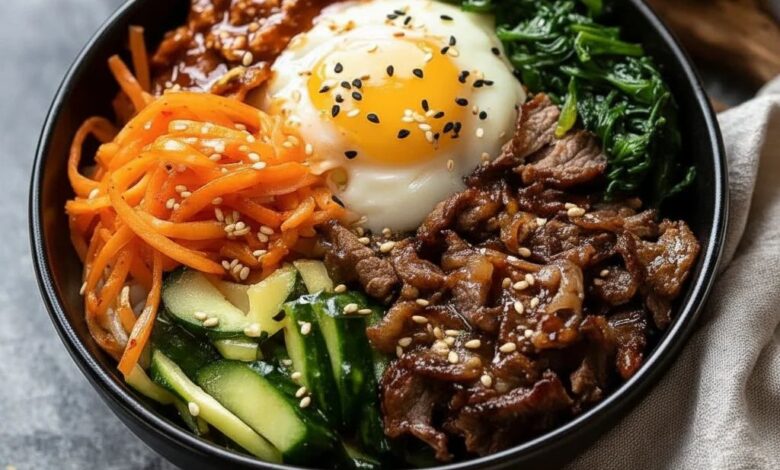
Get ready to discover a truly magical dish – the Bibimbap Bowl! This vibrant Korean classic is a feast for your eyes and your taste buds. Imagine a warm bowl of fluffy rice, topped with an array of colorful, seasoned vegetables, tender marinated meat, and a perfectly fried egg, all brought together with a savory, spicy sauce. Every spoonful is a delightful mix of textures and flavors that will make your heart sing!
You might think such a beautiful dish is complicated to make, but I promise you, it’s surprisingly easy and quick. Each component comes together simply, and the assembly is pure joy. It’s perfect for a weeknight dinner when you crave something special without spending hours in the kitchen. Plus, you can customize it with your favorite toppings!
So, are you ready to bring the deliciousness of Korea into your home? This recipe will guide you step by step to create your own stunning Bibimbap Bowl. It’s a comforting, wholesome meal that everyone will love. Let’s get cooking!
Cooking Time & Prep Time
- Prep Time: 40 minutes
- Cooking Time: 35 minutes
- Total Time: 75 minutes
Small tip: You can chop many of the vegetables ahead of time to make the cooking process even faster on the day you plan to serve.
Ingredients
This recipe makes 4 generous servings.
For the Rice
- 2 cups short-grain white rice
- 3 cups water
For the Beef (Bulgogi Style)
- 1 lb sirloin or ribeye steak, very thinly sliced
- 2 tbsp soy sauce
- 1 tbsp sesame oil
- 1 tbsp brown sugar
- 2 cloves garlic, minced
- 1/4 tsp black pepper
For the Vegetables
- 2 cups fresh spinach
- 1 tbsp sesame oil (for spinach)
- 1/2 tsp salt (for spinach)
- 2 medium carrots, julienned or thinly sliced
- 1 medium zucchini, julienned or thinly sliced
- 4 oz shiitake mushrooms, thinly sliced
- 1 cup fresh bean sprouts
- 1 tbsp cooking oil (e.g., vegetable or canola) for sautéing vegetables
- Salt and pepper to taste (for vegetables)
For the Bibimbap Sauce (Gochujang Sauce)
- 3 tbsp gochujang (Korean chili paste)
- 1 tbsp sesame oil
- 1 tbsp sugar or honey
- 1 tbsp rice vinegar
- 1 clove garlic, minced
- 1 tsp toasted sesame seeds
- 1 tbsp water (optional, to thin)
For Assembly & Garnish
- 4 large eggs
- 2 tbsp cooking oil (for frying eggs)
- Extra toasted sesame seeds, for garnish
- Optional: Kimchi, sliced green onions, seaweed strips (gim)
Step-by-Step Instructions
-
Step 1: Cook the Rice
Rinse the rice thoroughly under cold water until the water runs clear. Combine the rinsed rice and water in a medium pot. Bring to a boil, then reduce heat to low, cover, and simmer for 18-20 minutes, or until all water is absorbed. Remove from heat and let stand, covered, for 10 minutes. Fluff with a fork.
Small tip: Do not lift the lid while the rice is simmering or resting; this traps the steam needed for perfectly cooked rice.
-
Step 2: Marinate the Beef
While the rice cooks, prepare the beef marinade. In a medium bowl, whisk together soy sauce, sesame oil, brown sugar, minced garlic, and black pepper. Add the thinly sliced beef and toss to coat evenly. Let it marinate for at least 15-20 minutes at room temperature, or in the fridge for longer.
Small tip: For easier slicing, partially freeze the beef for about 30 minutes before cutting.
-
Step 3: Prepare the Bibimbap Sauce
In a small bowl, whisk together gochujang, sesame oil, sugar or honey, rice vinegar, minced garlic, and toasted sesame seeds. If the sauce is too thick for your liking, add a tablespoon of water to thin it slightly. Taste and adjust seasonings as needed.
Small tip: Make a little extra sauce; it’s delicious on almost anything!
-
Step 4: Cook the Spinach
Blanch the spinach: bring a pot of salted water to a boil. Add spinach and cook for 30 seconds until wilted. Drain immediately and rinse with cold water to stop cooking. Squeeze out excess water gently, then toss with 1 tbsp sesame oil and 1/2 tsp salt in a small bowl. Set aside.
-
Step 5: Sauté the Carrots and Zucchini
Heat 1/2 tbsp cooking oil in a large skillet or wok over medium-high heat. Add the julienned carrots and sauté for 2-3 minutes until slightly tender-crisp. Remove from the skillet and set aside. Add the zucchini to the same skillet and sauté for 2-3 minutes until tender. Season with a pinch of salt and pepper. Remove and set aside.
Small tip: Cook vegetables separately to maintain their distinct textures and flavors.
-
Step 6: Sauté the Mushrooms and Bean Sprouts
Add another 1/2 tbsp cooking oil to the skillet. Add the sliced mushrooms and sauté for 3-4 minutes until softened and lightly browned. Season with salt and pepper. Remove and set aside. Briefly sauté the bean sprouts for 1-2 minutes until tender-crisp. Season lightly and set aside.
-
Step 7: Cook the Marinated Beef
In the same skillet, increase heat to medium-high. Add the marinated beef in a single layer (you might need to do this in batches to avoid overcrowding). Cook for 2-3 minutes per side, until browned and cooked through. Break up any large pieces. Remove from heat.
Small tip: Don’t overcook the beef; it cooks quickly due to being thinly sliced.
-
Step 8: Fry the Eggs
Heat 2 tbsp cooking oil in a non-stick skillet over medium heat. Crack each egg into the skillet, being careful not to break the yolk. Fry them sunny-side up until the whites are set and the yolks are still runny, about 2-3 minutes. Season with a pinch of salt and pepper.
-
Step 9: Assemble Your Bibimbap Bowls
Divide the cooked rice evenly among four serving bowls. Arrange the prepared vegetables (spinach, carrots, zucchini, mushrooms, bean sprouts) and cooked beef neatly over the rice in separate sections, creating a colorful pattern. Place a fried egg on top of each bowl. Drizzle generously with the Bibimbap sauce. Garnish with extra toasted sesame seeds and any optional toppings like kimchi or seaweed strips. Serve immediately and enjoy mixing everything together!
Small tip: The best part of Bibimbap is mixing everything together just before eating, so the runny yolk coats all the ingredients!
Tips & Variations
- Gluten-Free Option: Simply swap out regular soy sauce for tamari in both the beef marinade and the Bibimbap sauce. Most gochujang brands are naturally gluten-free, but always check the label to be sure.
- Vegan or Vegetarian Option: Omit the beef and egg. Instead, marinate firm tofu or tempeh (cubed or thinly sliced) in the beef marinade and pan-fry until golden. You can also add extra mushrooms, edamame, or a sprinkle of nutritional yeast for a cheesy flavor.
- More Vegetables or Protein: Feel free to add more of your favorite vegetables! Bell peppers, bean sprouts, daikon radish, or even asparagus work wonderfully. For extra protein, consider adding cooked shrimp, chicken, or a handful of edamame.
- Spicy Version: If you love heat, increase the amount of gochujang in the sauce. You can also add a pinch of Korean chili flakes (gochugaru) or a dash of your favorite hot sauce directly to your bowl when serving.
- Crispy Rice Bottom (Dolsot Bibimbap style): If you have a stone pot (dolsot), lightly oil it and heat it before adding the rice and toppings. The hot pot will create a delicious crispy rice layer at the bottom.
Nutritional Information
Approximate values per serving (based on 4 servings):
- Calories: 650-700 kcal
- Protein: 35-40g
- Carbohydrates: 70-75g
- Fat: 25-30g
Note: These values are approximate and may vary depending on specific ingredient brands, cooking oils, and exact portion sizes used.
Health Benefits
Bibimbap is not just delicious; it’s also packed with wonderful health benefits!
- Rich in Vegetables: With a colorful array of spinach, carrots, zucchini, and mushrooms, this dish provides a fantastic dose of vitamins, minerals, and dietary fiber. Carrots are great for Vitamin A, while spinach offers iron and Vitamin K.
- Lean Protein Source: The sirloin or ribeye steak provides high-quality protein essential for muscle repair and growth. It’s also a good source of iron and B vitamins, which are crucial for energy and red blood cell formation.
- Complex Carbohydrates: Short-grain white rice offers a good source of complex carbohydrates, providing sustained energy to fuel your body throughout the day.
- Healthy Fats: Sesame oil, used in both cooking and the sauce, contributes healthy monounsaturated and polyunsaturated fats. These fats are beneficial for heart health and can help with the absorption of fat-soluble vitamins.
- Gut-Friendly Options: If you add kimchi as an optional topping, you’re introducing probiotics, which are beneficial bacteria that support a healthy gut microbiome and can aid digestion.
Serving Suggestions
- As a Main Dish: Bibimbap is a complete meal on its own, offering a perfect balance of protein, carbs, and vegetables. Serve it warm and let everyone mix their bowl to their heart’s content!
- Pair with Soup: A simple clear broth, like a miso soup or a light vegetable soup, makes a lovely accompaniment to the rich flavors of Bibimbap.
- Side of Kimchi: Always a fantastic addition! A small bowl of fermented kimchi on the side adds a tangy, spicy, and probiotic kick that complements the Bibimbap beautifully.
- Meal Prep Idea: Cook all the components separately (rice, beef, vegetables, sauce). Store them in individual containers in the fridge. When ready to eat, simply reheat the rice and beef, quickly warm the vegetables, fry an egg, and assemble your fresh bowl!
Storage Tips
Leftover Bibimbap components can be stored separately in airtight containers in the refrigerator for up to 3-4 days. It is generally not recommended to freeze assembled Bibimbap, as the vegetables and rice can become mushy upon thawing. However, you can freeze the cooked beef and blanched spinach separately for longer storage (up to 1 month). To reheat, gently warm the rice and beef in the microwave or a skillet. The vegetables can be eaten cold or quickly warmed. Fry a fresh egg for the best experience.
Conclusion
There you have it – your very own homemade Bibimbap Bowl! This dish is truly a masterpiece of Korean cuisine, celebrated for its incredible flavors, vibrant colors, and wholesome ingredients. It’