Introduction
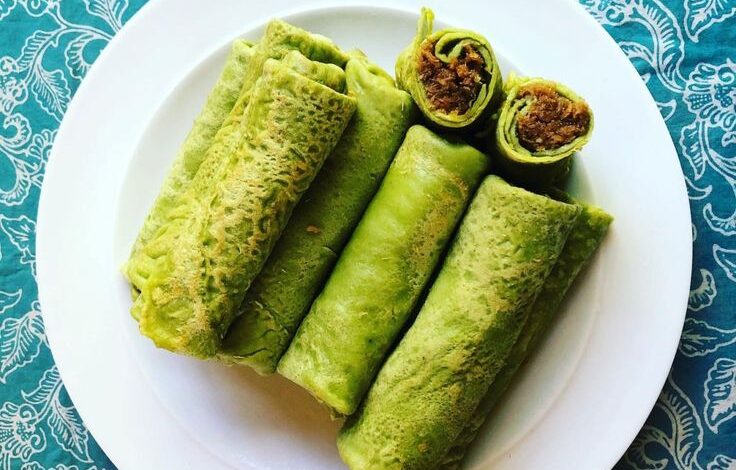
Get ready to discover a true Malaysian gem: Kuih Dadar! This delightful traditional snack is a feast for both the eyes and the taste buds. Imagine vibrant green crepes, infused with the fragrant essence of pandan, wrapped around a sweet, sticky filling of freshly grated coconut cooked with rich palm sugar. It’s a symphony of flavors and textures, with the soft, slightly chewy crepe giving way to the moist, caramelized coconut inside. Kuih Dadar is not just a treat; it’s a little piece of Malaysian culinary magic.
Don’t let its exotic appearance fool you; Kuih Dadar is surprisingly simple to make at home. The process involves basic cooking techniques like whisking a batter and gently pan-frying crepes, then stirring together a luscious coconut filling. With a few common ingredients and a little patience, you’ll be creating these beautiful parcels in no time. It’s a perfect project for a weekend afternoon, or whenever you crave something a little special but not overly complicated.
So, are you ready to bring the vibrant flavors of Malaysia into your kitchen? This recipe will guide you every step of the way, ensuring your Kuih Dadar turns out perfect, fragrant, and utterly delicious. Gather your ingredients, put on some music, and let’s create some sweet, green happiness together. You’re going to love making and, more importantly, eating these!
Cooking Time & Prep Time
- Prep Time: 30 minutes
- Cooking Time: 45 minutes
- Total Time: 75 minutes
Small tip: You can prepare the coconut filling while the crepe batter is resting. This helps save time and keeps your cooking flow smooth!
Ingredients
This recipe makes approximately 12-15 pieces of Kuih Dadar.
For the Coconut Filling
- 2 cups fresh grated coconut (or frozen, thawed)
- ½ cup Gula Melaka (palm sugar), finely chopped, or light brown sugar
- ¼ cup water
- 1 pandan leaf, knotted (optional, but highly recommended for aroma)
- Pinch of salt
For the Pandan Crepes
- 1 cup all-purpose flour
- 1 large egg
- 1 cup thin coconut milk (from a can or fresh)
- ½ cup water
- 1 teaspoon pandan extract (available at Asian markets), or 2 tablespoons fresh pandan juice (from blending pandan leaves with water and straining)
- ¼ teaspoon salt
- 1 tablespoon vegetable oil (for the batter)
- Vegetable oil for cooking the crepes
Step-by-Step Instructions
-
Step 1: Prepare the Coconut Filling
In a non-stick pan or wok, combine the grated coconut, chopped Gula Melaka (or brown sugar), water, knotted pandan leaf (if using), and a pinch of salt. Cook over medium heat. Stir constantly until the sugar melts and coats the coconut, and the mixture becomes slightly sticky and fragrant. This usually takes about 10-15 minutes.
Small tip: Stirring continuously prevents the sugar from burning and ensures even caramelization.
-
Step 2: Make the Pandan Crepe Batter
In a large mixing bowl, whisk together the all-purpose flour, egg, coconut milk, water, pandan extract (or pandan juice), salt, and 1 tablespoon of vegetable oil. Whisk until the batter is smooth and free of lumps. If there are stubborn lumps, you can strain the batter through a fine-mesh sieve.
Small tip: Letting the batter rest for 15-20 minutes allows the flour to fully hydrate, resulting in more tender crepes.
-
Step 3: Cook the Pandan Crepes
Heat a 6-8 inch non-stick frying pan or crepe pan over medium-low heat. Lightly grease the pan with a tiny bit of vegetable oil, wiping off any excess with a paper towel. Pour about 2-3 tablespoons of batter into the center of the hot pan, then quickly tilt and swirl the pan to spread the batter thinly and evenly to form a round crepe. Cook for about 1-2 minutes until the edges start to crisp and curl slightly, and the surface is set. You do not need to flip these crepes.
Small tip: The first crepe is often a “test” crepe. Adjust the heat and batter amount if needed to get the perfect thickness and color.
-
Step 4: Assemble the Kuih Dadar
Once cooked, carefully remove the crepe from the pan and place it on a clean plate or cutting board. Spoon about 1-2 tablespoons of the cooled coconut filling onto the center of the crepe, near one edge. Fold the sides of the crepe inwards, then roll it up tightly from the edge with the filling. The seam should be at the bottom.
Small tip: Don’t overfill your crepes, or they might be difficult to roll neatly. A consistent amount of filling makes for uniform Kuih Dadar.
-
Step 5: Serve and Enjoy!
Arrange your beautifully rolled Kuih Dadar on a serving platter. They are best enjoyed fresh, slightly warm, or at room temperature. Take a moment to admire their vibrant green color and enticing aroma before digging in.
Small tip: These make a stunning presentation on a platter, perfect for sharing!
Tips & Variations
- Gluten-Free Option: You can easily make this recipe gluten-free by substituting the all-purpose flour with a 1:1 gluten-free flour blend. Ensure your chosen blend contains xanthan gum for elasticity, or add ¼ teaspoon yourself.
- Vegan/Vegetarian Option: To make the crepes vegan, omit the egg. You can substitute it with a “flax egg” (1 tablespoon ground flaxseed mixed with 3 tablespoons water, let sit for 5 minutes) or simply increase the liquid (coconut milk/water) by a tablespoon or two until the batter has the right consistency.
- More Protein: While Kuih Dadar is traditionally a sweet snack, you could serve it alongside a high-protein breakfast like scrambled tofu or eggs. For a savory twist (though not traditional Kuih Dadar), you could experiment with a savory coconut-based filling, perhaps with finely minced mushrooms or tempeh.
- A Spicy Twist: For an adventurous palate, add a tiny pinch of chili flakes or a micro-dash of finely minced bird’s eye chili to the coconut filling. This isn’t traditional, but it offers a surprising sweet and spicy kick that some might enjoy!
- Flavor Alternatives: If fresh pandan leaves or pandan extract are hard to find, you can use a few drops of green food coloring and a tiny bit of vanilla extract in the crepe batter to mimic the visual appeal, though the unique pandan aroma will be missed. For the filling, if Gula Melaka is unavailable, dark brown sugar is the closest substitute, offering a similar caramel depth.
Nutritional Information
Approximate values per serving (based on 15 servings):
- Calories: 195 kcal
- Protein: 3.5 g
- Carbohydrates: 28 g
- Fat: 9 g
Please note: These values are approximate and can vary depending on the specific brands and quantities of ingredients used.
Health Benefits
Kuih Dadar, while a sweet treat, offers some interesting health benefits from its key ingredients. It’s a delightful way to enjoy natural goodness!
Coconut: The star of the filling, coconut, provides healthy fats, particularly Medium-Chain Triglycerides (MCTs). MCTs are easily digested and can provide a quick source of energy. Coconut also contains dietary fiber, which supports digestive health, and essential minerals like manganese, copper, and selenium.
Pandan: The beautiful green hue and unique aroma come from pandan leaves. Pandan is known for its natural antioxidant properties, which help protect the body’s cells from damage. It’s also naturally caffeine-free and contributes a lovely flavor without adding extra calories.
Gula Melaka (Palm Sugar): While still a sugar, Gula Melaka is often considered less refined