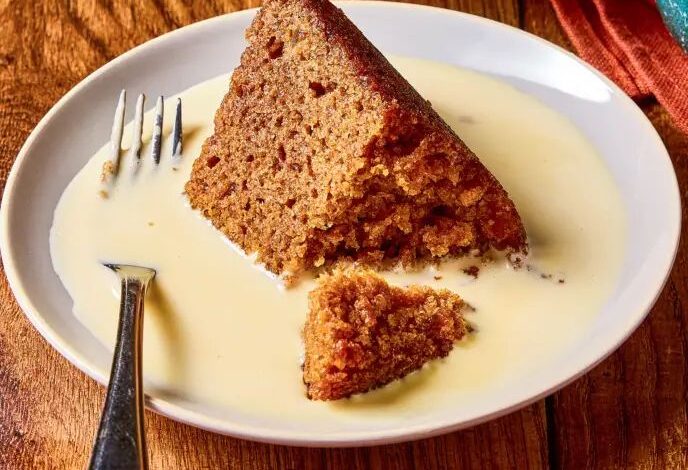
Introduction
Get ready to discover a truly special dessert: Steamed Pudding Cake! This isn’t just any cake. It’s incredibly moist, wonderfully tender, and boasts a depth of flavor you won’t find in a baked cake. Steaming locks in all the goodness, creating a soft, almost custardy texture that simply melts in your mouth. It’s pure comfort in every bite, perfect for a cozy evening treat.
You might think steaming a cake sounds complicated, but it’s surprisingly simple and mostly hands-off. The ingredients are everyday pantry staples. The process involves mixing, pouring, and then letting your pot do the work. There’s no need to worry about dry edges or uneven baking. Just a perfectly cooked, delicious cake every time.
So, why not try something new and utterly delightful today? This Steamed Pudding Cake is a forgotten classic that deserves a spot in your recipe book. Gather your ingredients and let’s make some magic in your kitchen. You’ll be so glad you did!
Cooking Time & Prep Time
- Prep Time: 20 minutes
- Cooking Time: 75 minutes
- Total Time: 95 minutes
Small tip: You can prepare your steaming setup (pot and water) while you mix the batter to save a few minutes.
Ingredients
This recipe makes 6 servings.
For the Steamed Pudding Cake:
- 1 ½ cups all-purpose flour
- 1 teaspoon baking powder
- ½ teaspoon baking soda
- ¼ teaspoon salt
- ½ cup (1 stick) unsalted butter, softened
- ¾ cup granulated sugar
- 2 large eggs
- 1 teaspoon vanilla extract
- ¾ cup buttermilk (or regular milk with 1 tablespoon lemon juice, let sit for 5 minutes)
For the Vanilla Cream Sauce:
- ½ cup powdered sugar
- 2 tablespoons milk or cream
- ½ teaspoon vanilla extract
Step-by-Step Instructions
-
Step 1: Prepare Your Steaming Setup
Choose a large pot with a tight-fitting lid. This pot needs to be tall enough to hold your pudding mold or ramekins, plus a few inches of water, without the water touching the lid. Place a heat-proof trivet or an inverted saucer at the bottom of the pot. Fill the pot with about 2-3 inches of water and bring it to a gentle simmer over medium heat.
Small tip: Ensure the water level is high enough to last the entire steaming time, but low enough not to boil over into your cake mold.
-
Step 2: Grease Your Mold
Generously grease a 6-cup heatproof pudding mold or 6 individual 1-cup ramekins with butter. You can also lightly flour them after greasing. If using a pudding mold with a lid, make sure it’s secured. If using ramekins or a mold without a lid, you’ll cover them with foil later.
Small tip: Buttering and flouring helps ensure your cake releases easily after steaming.
-
Step 3: Combine Dry Ingredients
In a medium bowl, whisk together the all-purpose flour, baking powder, baking soda, and salt. Make sure there are no lumps and the ingredients are evenly distributed. Set this bowl aside for a moment.
Small tip: Whisking dry ingredients well prevents pockets of leavening agents in your final cake.
-
Step 4: Cream Butter and Sugar
In a large mixing bowl, using an electric mixer, cream together the softened unsalted butter and granulated sugar until light and fluffy. This usually takes about 2-3 minutes. Scrape down the sides of the bowl as needed.
Small tip: Softened butter is key for a smooth, airy creamed mixture. It should be pliable, not melted.
-
Step 5: Add Eggs and Vanilla
Beat in the eggs one at a time, mixing well after each addition. Make sure each egg is fully incorporated before adding the next. Stir in the vanilla extract. The mixture might look slightly curdled, but that’s okay.
Small tip: Adding eggs one at a time helps emulsify them into the butter mixture, creating a more stable batter.
-
Step 6: Alternate Dry and Wet Ingredients
Gradually add the dry ingredient mixture to the wet ingredients, alternating with the buttermilk. Start and end with the dry ingredients. Mix on low speed until just combined, being careful not to overmix. Overmixing can lead to a tough cake.
Small tip: Gently fold in the last bits of flour by hand to prevent developing too much gluten.
-
Step 7: Fill the Mold and Cover
Pour the cake batter into your prepared pudding mold or divide it among the ramekins. Smooth the top with a spatula. If using a mold without a lid or ramekins, cover them tightly with aluminum foil, crimping the edges securely around the rim to prevent water from entering.
Small tip: Leave about 1 inch of space at the top of the mold for the cake to rise.
-
Step 8: Steam the Cake
Carefully place the covered mold or ramekins onto the trivet in the simmering water. Ensure the water level comes about halfway up the sides of the mold. Cover the large pot with its tight-fitting lid. Steam for 75 minutes for a large mold, or 45-55 minutes for individual ramekins. Do not lift the lid during steaming unless absolutely necessary to check water levels.
Small tip: If the water level gets too low, carefully add more boiling water to the pot.
-
Step 9: Check for Doneness and Cool
After the steaming time, carefully remove the lid. Insert a wooden skewer or toothpick into the center of the cake. It should come out clean. If not, steam for another 5-10 minutes. Once done, carefully lift the mold from the pot and let it cool on a wire rack for 10-15 minutes before inverting onto a serving plate.
Small tip: Cooling slightly in the mold makes it easier to release the cake without sticking.
-
Step 10: Make the Vanilla Cream Sauce
While the cake cools, whisk together the powdered sugar, milk or cream, and vanilla extract in a small bowl until smooth. If the sauce is too thick, add a tiny bit more milk; if too thin, add a little more powdered sugar.
Small tip: For an extra rich sauce, use heavy cream instead of milk.
-
Step 11: Serve and Enjoy
Slice the warm Steamed Pudding Cake and drizzle generously with the homemade Vanilla Cream Sauce. Serve immediately and savor every delicious, moist bite. This cake is best enjoyed warm.
Small tip: A sprinkle of fresh berries or a dollop of whipped cream makes this dessert even more delightful.
Tips & Variations
- Gluten-Free Option: Simply swap the all-purpose flour for a 1:1 gluten-free baking flour blend. Make sure your blend contains xanthan gum for the best texture.
- Vegan or Vegetarian Option: Replace butter with a good quality vegan butter, use plant-based milk (like almond or soy milk) instead of buttermilk, and use flax eggs (1 tablespoon ground flaxseed meal + 3 tablespoons water per egg, let sit for 5 minutes) instead of chicken eggs.
- More Filling Twist: Stir in ½ cup of chopped walnuts or pecans, or ¼ cup of dried cranberries or raisins into the batter before steaming. This adds texture and a lovely chew.
- Spicy Warmth Version: Add 1 teaspoon of ground cinnamon, ½ teaspoon of ground ginger, and ¼ teaspoon of ground nutmeg to the dry ingredients for a warm, spiced pudding cake, perfect for colder months.
- Citrus Zest Burst: For a bright flavor, add 1 tablespoon of finely grated lemon or orange zest to the butter and sugar mixture in Step 4. It pairs beautifully with the vanilla.
Nutritional Information
Approximate values per serving (based on 6 servings):
- Calories: 350-400 kcal
- Protein: 5-7g
- Carbohydrates: 45-50g
- Fat: 18-22g
Please note that these values are approximate and may vary depending on the specific ingredients and brands used.
Health Benefits
While this is a delightful treat, some of its core ingredients offer nutritional value:
- Eggs: They are a fantastic source of high-quality protein, which is essential for muscle repair and growth. Eggs also provide important vitamins like B12 and D, and minerals such as selenium.
- Buttermilk: This fermented dairy product contains probiotics, which are beneficial bacteria that can support gut health. It also provides calcium for strong bones and teeth, and protein.
- Flour (All-Purpose): While refined, it still provides carbohydrates for energy, fueling your body and brain. If you opt for whole wheat flour in a variation, you’ll add significant dietary fiber, which aids digestion and can help regulate blood sugar.
- Vanilla Extract: Beyond its comforting flavor, vanilla contains antioxidants, which help protect your body’s cells from damage. It’s a small but lovely bonus.
Serving Suggestions
- Classic Comfort: Serve warm slices with a scoop of vanilla bean ice cream or a generous dollop of freshly whipped cream.
- Fruity Freshness: Pair it with a simple berry compote (fresh or frozen berries simmered briefly with a touch of sugar) or sliced fresh fruit like strawberries or peaches.
- Rich Indulgence: For a more decadent treat, serve with a warm caramel sauce or a chocolate ganache instead of the vanilla cream sauce.
- Meal Prep Idea: Steamed pudding cakes can be made ahead. Steam the cake, let it cool completely, then wrap it tightly. You can reheat individual slices in the microwave or steam them gently again.
Storage Tips: Leftover Steamed Pudding Cake can be stored in an airtight container at room temperature for up to 2 days, or in the refrigerator for up to 4 days. It freezes beautifully for up to 1 month; wrap slices tightly in plastic wrap and then foil. To reheat, thaw in the fridge if frozen, then warm individual slices in the microwave for 30-60 seconds, or steam gently for 5-10 minutes until heated through.
Conclusion
There you have it – a recipe for a truly unforgettable Steamed Pudding Cake! This dessert is more than just a sweet treat; it’s a hug in a bowl. Its unique, moist texture and rich, comforting flavor make it stand out from traditional baked cakes. It’s simple to make, yet feels incredibly special.
Don’t be shy about trying this method of cooking. Steaming is a fantastic way to achieve a tender, delicious cake every time, without the fuss of oven-baking. You’ll love how easy it is to whip up, and how wonderfully it fills your home with a sweet, inviting aroma.
So go ahead, give this Steamed Pudding Cake a try. Share it with your family and friends, or simply enjoy a cozy slice all to yourself. It’s a delightful experience that brings warmth and joy to any occasion. Happy steaming!