Introduction
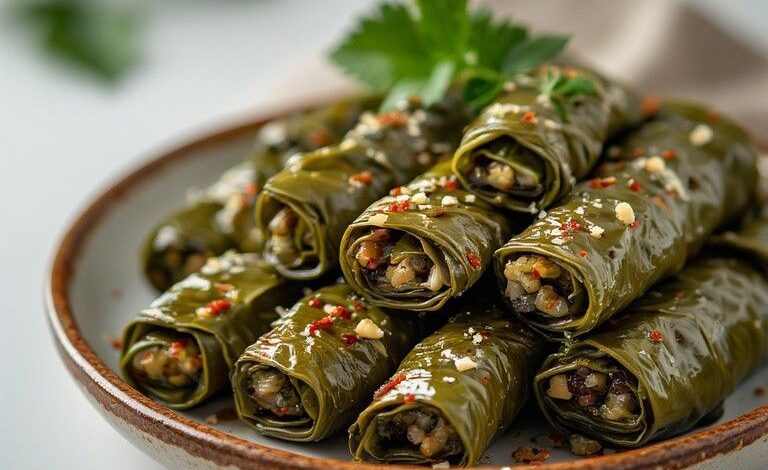
Get ready to embark on a culinary journey with one of the most beloved dishes from the Mediterranean and Middle East: Stuffed Vine Leaves! These delightful parcels, often known as Dolma or Sarma, feature tender vine leaves wrapped around a fragrant, savory rice filling. Each bite offers a burst of fresh herbs, tangy lemon, and aromatic spices, creating a truly irresistible and comforting experience.
While they might look intricate, making stuffed vine leaves is a surprisingly straightforward process. It’s mostly about assembly, and the rolling can be quite meditative and enjoyable. We’ll guide you through each step, making sure you feel confident and excited to create this classic dish in your own kitchen. You’ll be amazed at how simple it is to achieve such incredible flavors.
So, gather your ingredients and prepare to impress your taste buds and loved ones. This recipe is a fantastic way to bring a taste of authentic, homemade goodness to your table. Let’s dive in and create some magic together!
Cooking Time & Prep Time
- Prep Time: 75 minutes
- Cooking Time: 55 minutes
- Total Time: 130 minutes
Small tip: You can save time by preparing the rice filling a day in advance and storing it in the fridge. This makes the assembly process much quicker on cooking day!
Ingredients
This recipe makes approximately 6-8 servings (about 30-40 stuffed vine leaves).
For the Stuffed Vine Leaves
- 1 (16-ounce/450g) jar brined vine leaves, about 60-70 leaves (or 50 fresh vine leaves)
- 1 cup (200g) short-grain rice (such as Arborio or Calrose), rinsed thoroughly
- 1 large onion, finely chopped
- 1 large ripe tomato, finely diced (or 1/2 cup canned crushed tomatoes)
- 1/2 cup (120ml) extra virgin olive oil, plus more for drizzling
- 1/2 cup fresh parsley, finely chopped
- 1/4 cup fresh mint, finely chopped
- 2 tablespoons fresh dill, finely chopped
- 1 tablespoon dried mint
- 1 teaspoon ground allspice
- 1/2 teaspoon ground black pepper
- 1/2 teaspoon salt, or to taste
- Juice of 1 large lemon (about 3-4 tablespoons)
For the Cooking Liquid
- 3 cups (720ml) hot water or vegetable broth
- Juice of 1 large lemon (about 3-4 tablespoons)
- 1 teaspoon salt
- 1/4 cup (60ml) extra virgin olive oil
For Serving
- Fresh lemon wedges
- Plain yogurt or a dairy-free alternative (optional)
- Fresh mint leaves or dill sprigs for garnish (optional)
Step-by-Step Instructions
-
Step 1: Prepare the Vine Leaves
If using jarred vine leaves, drain them from the brine. Rinse them very well under cold running water to remove excess salt. Gently separate the leaves and trim any thick stems. If using fresh vine leaves, blanch them in boiling water for 1-2 minutes until pliable, then drain and rinse with cold water.
Small tip: Be gentle with the leaves as they can tear easily, especially if they are very thin.
-
Step 2: Prepare the Rice Filling
In a large bowl, combine the rinsed rice, finely chopped onion, diced tomato, 1/2 cup olive oil, fresh parsley, fresh mint, fresh dill, dried mint, allspice, black pepper, and 1/2 teaspoon salt. Add the juice of 1 lemon. Mix all the ingredients thoroughly with your hands until well combined. The mixture should smell incredibly fragrant!
Small tip: Taste a tiny bit of the raw filling to adjust salt and pepper if needed, but remember the flavors will meld during cooking.
-
Step 3: Roll the Vine Leaves
Lay a vine leaf flat on a clean surface, shiny side down (veins facing up). Place about 1 teaspoon to 1 tablespoon of the rice filling near the stem end, depending on the size of your leaf. Fold the bottom edge of the leaf over the filling, then fold in the sides. Tightly roll the leaf upwards towards the tip, creating a neat, compact cylinder.
Small tip: Don’t overfill the leaves, as the rice will expand during cooking. Aim for rolls that are about the size of your finger.
-
Step 4: Layer in the Pot
Line the bottom of a large, heavy-bottomed pot or Dutch oven with any torn or extra vine leaves, or a few slices of tomato or potato. This prevents the stuffed leaves from sticking. Arrange the rolled vine leaves snugly in layers, seam-side down, in concentric circles. Pack them tightly to prevent them from unraveling during cooking.
Small tip: Packing the leaves tightly is key to ensuring they hold their shape and cook evenly.
-
Step 5: Prepare and Add the Cooking Liquid
In a separate bowl, whisk together the hot water or vegetable broth, the juice of the second lemon, 1 teaspoon salt, and 1/4 cup olive oil. Pour this liquid gently over the layered vine leaves in the pot. The liquid should just cover the top layer of the leaves.
Small tip: Using hot water helps to bring the pot to a simmer more quickly.
-
Step 6: Cook the Stuffed Vine Leaves
Place a heat-proof plate directly on top of the stuffed vine leaves to keep them submerged and prevent them from floating. Bring the liquid to a boil over medium-high heat, then reduce the heat to low. Cover the pot tightly with a lid and simmer for 50-55 minutes, or until the rice is tender and has absorbed most of the liquid.
Small tip: You can check for doneness by carefully removing one leaf and tasting the rice. It should be soft and cooked through.
-
Step 7: Rest and Serve
Once cooked, remove the pot from the heat but keep the lid on. Let the stuffed vine leaves rest for at least 15-20 minutes. This allows the flavors to settle and the leaves to firm up slightly. Carefully remove the plate, then gently transfer the stuffed vine leaves to a serving platter. Drizzle with a little extra fresh olive oil and serve warm or at room temperature with fresh lemon wedges. A dollop of plain yogurt or a sprinkle of fresh mint or dill makes a wonderful accompaniment.
Small tip: Allowing them to rest is important for the texture and ensures they don’t fall apart when serving.
Tips & Variations
- Gluten-Free Option: This recipe is naturally gluten-free! Just ensure your vegetable broth (if using) is certified gluten-free.
- Vegan/Vegetarian Option: This specific recipe is already 100% vegan and vegetarian-friendly, using only plant-based ingredients. Enjoy as is!
- Add More Vegetables or Protein: For a heartier filling, you can finely dice bell peppers, zucchini, or carrots and add them to the rice mixture. For non-vegan options, add 1/2 pound of cooked, seasoned ground lamb or beef to the rice filling.
- Spicy Version: Introduce a kick by adding 1/2 teaspoon of red pepper flakes or a pinch of cayenne pepper to the rice filling. A dash of hot sauce in the cooking liquid can also add a subtle warmth.
- Flavor Boost: For an extra layer of flavor, add the zest of one lemon to the rice filling. You can also experiment with other fresh herbs like oregano or marjoram for a different aromatic profile.
Nutritional Information
Approximate values per serving (based on 8 servings):
- Calories: 320
- Protein: 5g
- Carbohydrates: 45g
- Fat: 15g
Please note: Nutritional values may vary depending on specific ingredients and brands used.
Health Benefits
Stuffed vine leaves are not just delicious; they offer some wonderful health benefits too, thanks to their wholesome ingredients.
- Vine Leaves: These leafy greens are packed with Vitamin K, which is essential for blood clotting and bone health. They also provide a good source of Vitamin A, important for vision, and antioxidants that help fight inflammation.
- Rice: As a primary component, rice provides complex carbohydrates, which are your body’s main source of energy. It’s easily digestible and can be a good source of B vitamins, especially if using brown rice.
- Fresh Herbs: Parsley, mint, and dill are powerhouses of nutrients. Parsley is rich in Vitamin C and K, while mint aids digestion. Dill offers antioxidants and may have anti-inflammatory properties.
- Olive Oil: Extra virgin olive oil is a cornerstone of the Mediterranean diet. It’s rich in monounsaturated fatty acids, known to be heart-healthy, and contains powerful antioxidants called polyphenols.
- Lemon: Fresh lemon juice adds a bright, tangy flavor and a significant boost of Vitamin C, a crucial vitamin for immune function and skin health.
Serving Suggestions
- Classic Pairing: Serve with a generous dollop of cool, plain Greek yogurt (or a dairy-free alternative) and a sprinkle of fresh mint. The creamy tang perfectly balances the savory richness of the leaves.
- Mezze Platter: Incorporate stuffed vine leaves into a larger mezze spread alongside hummus, baba ghanoush, pita bread, olives, and fresh salads like Tabbouleh.
- Main or Side: These can be a light and satisfying main course, especially when served with a crisp green salad. They also make an excellent side dish for grilled fish, chicken, or lamb.
- Meal Prep: Prepare a big batch! Stuffed vine leaves are fantastic for meal prepping. They keep well and taste even better the next day as the flavors deepen.
Storage Tips
Leftover stuffed vine leaves can be stored in an airtight container in the refrigerator for 3-4 days. Yes, they can be frozen! Arrange cooled, cooked leaves in a single layer on a baking sheet to flash freeze, then transfer to a freezer-safe bag or container for up to 2-3 months. To reheat, gently warm them in the microwave or in a covered pot on the stovetop with a splash of water or broth to prevent drying out. If reheating from frozen, thaw in the fridge overnight first.
Conclusion
There you have it – a complete guide to making your very own batch of incredibly delicious Stuffed Vine Leaves! This dish is a true testament to how simple ingredients can come together to create something truly extraordinary. The combination of tender leaves, aromatic rice, and bright, tangy flavors is simply unbeatable.
Don’t let the rolling process intimidate you; it’s a labor of love that yields incredibly rewarding results. Each perfectly wrapped parcel is a bite of tradition, comfort, and pure culinary joy. You’ll feel a sense of accomplishment and pride once you present this beautiful dish.
We encourage you to try this recipe and share it with your family and friends. It’s perfect for gatherings, a special dinner, or simply to enjoy as a delightful, healthy meal any day of the week. Happy cooking!