Introduction
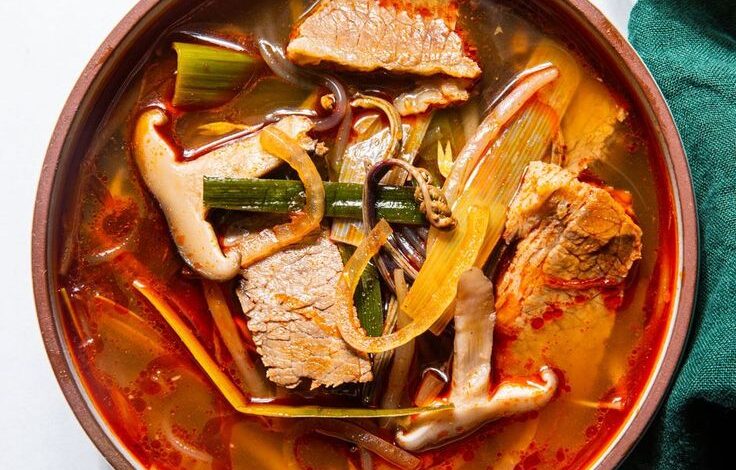
Get ready to discover Yukgaejang, a truly iconic Korean spicy beef soup! This deeply flavorful and incredibly comforting dish features tender shredded beef, an array of vibrant vegetables like fernbrake and bean sprouts, all simmered in a rich, fiery red broth. It’s a symphony of savory, spicy, and umami flavors that warms you from the inside out, perfect for any season but especially wonderful on a chilly day.
You might think a dish this delicious and complex in flavor would be difficult to make, but I promise it’s not! While it has a few steps, much of the cooking time is hands-off simmering. The preparation is straightforward, and the result is a hearty, restaurant-quality meal that you can proudly make in your own kitchen. It’s truly a labor of love that rewards you with incredible taste.
So, clear your schedule, gather your ingredients, and prepare to embark on a culinary journey to Korea. This Yukgaejang recipe is designed for home cooks, making it accessible and enjoyable to create. I encourage you to try it – your taste buds will thank you!
Cooking Time & Prep Time
- Prep Time: 45 minutes
- Cooking Time: 150 minutes
- Total Time: 195 minutes
Small tip: You can prepare the vegetables while the beef is simmering to save time and streamline your cooking process.
Ingredients
This recipe makes 6 generous servings.
For the Beef Broth
- 1.5 lbs (about 680g) beef brisket or flank steak
- 12 cups water
- 1 large yellow onion, halved
- 6 large garlic cloves, smashed
- 1 inch ginger, sliced
- 1 tsp whole black peppercorns
For the Seasoned Beef & Vegetables
- 10 oz (about 280g) dried fernbrake (gosari), rehydrated
- 10 oz (about 280g) dried taro stems (torandae), rehydrated
- 8 oz (about 225g) fresh bean sprouts (sukju namul)
- 2 large leeks (daepa), white and light green parts, sliced diagonally into 1-inch pieces
- 2 tbsp cooking oil (e.g., vegetable or canola oil)
For the Spicy Seasoning Paste
- 6 tbsp Korean red pepper flakes (gochugaru)
- 4 tbsp soy sauce
- 2 tbsp Korean soup soy sauce (guk ganjang)
- 2 tbsp minced garlic
- 1 tbsp sesame oil
- 1 tbsp sugar
- 1 tsp black pepper
For Garnish (Optional)
- 2 large eggs, lightly beaten
- Fresh scallions, chopped
- Extra sesame oil, for drizzling
Step-by-Step Instructions
-
Step 1: Prepare the Beef Broth
Place the beef brisket or flank steak in a large pot with 12 cups of water. Add the halved onion, smashed garlic cloves, sliced ginger, and whole black peppercorns. Bring to a boil, then reduce heat to low, cover, and simmer for 1.5 to 2 hours, or until the beef is very tender. Small tip: Skim off any foam that rises to the surface during the first 30 minutes for a clearer broth.
-
Step 2: Shred the Beef
Carefully remove the cooked beef from the pot and set aside to cool slightly. Strain the broth through a fine-mesh sieve, discarding the solids. Return the clear broth to the pot and keep it warm. Once the beef is cool enough to handle, shred it into thin strips along the grain using your fingers or two forks. Small tip: Shredding by hand gives the best texture, mimicking traditional methods.
-
Step 3: Prepare the Dried Vegetables
While the beef is cooking, rehydrate the dried fernbrake and taro stems. Soak them in warm water for at least 1 hour, or until softened. Then, boil them in fresh water for 30-45 minutes until tender, drain, and rinse. Cut them into 2-3 inch pieces. Blanch the bean sprouts in boiling water for 1-2 minutes until tender-crisp, then drain and rinse with cold water to stop cooking. Small tip: Ensure the fernbrake and taro stems are thoroughly tender to avoid a chewy texture in the final soup.
-
Step 4: Make the Seasoning Paste
In a large bowl, combine the Korean red pepper flakes (gochugaru), soy sauce, Korean soup soy sauce (guk ganjang), minced garlic, sesame oil, sugar, and black pepper. Mix everything together thoroughly until it forms a thick paste. This paste is the heart of Yukgaejang’s flavor. Small tip: You can adjust the gochugaru amount later if you prefer less or more spice.
-
Step 5: Season the Beef and Vegetables
Add the shredded beef, prepared fernbrake, taro stems, blanched bean sprouts, and diagonally sliced leeks to the bowl with the seasoning paste. Using your hands (wearing gloves is recommended to avoid staining), thoroughly mix the ingredients until everything is well coated with the spicy paste. This step ensures every bite is flavorful. Small tip: Don’t be afraid to really massage the seasoning into the ingredients for maximum flavor absorption.
-
Step 6: Combine and Simmer
Heat 2 tablespoons of cooking oil in a large pot or Dutch oven over medium-high heat. Add the seasoned beef and vegetable mixture and sauté for 5-7 minutes, stirring frequently, until fragrant. Pour in the reserved beef broth. Bring the soup to a boil, then reduce the heat to medium-low, cover, and simmer for at least 30 minutes to allow the flavors to meld beautifully. Small tip: A longer simmer (up to an hour) will develop deeper flavors.
-
Step 7: Add Eggs and Serve
Taste the soup and adjust seasoning if needed (add more soy sauce or guk ganjang for saltiness, or gochugaru for spice). If using, slowly drizzle the lightly beaten eggs into the simmering soup in a thin stream, stirring gently to create delicate egg ribbons. Cook for another minute. Ladle the hot Yukgaejang into individual bowls. Garnish with chopped fresh scallions and a drizzle of extra sesame oil. Serve immediately. Small tip: For a cleaner look, you can skip the egg or add it directly to individual bowls just before serving.
Tips & Variations
- Gluten-Free Option: Easily make this recipe gluten-free by substituting regular soy sauce and Korean soup soy sauce with tamari or a certified gluten-free soy sauce alternative.
- Vegan/Vegetarian Option: Omit the beef and eggs. Use a rich vegetable broth or mushroom broth as the base. For protein, add firm tofu (pan-fried or simmered), shiitake mushrooms, oyster mushrooms, or even rehydrated textured vegetable protein.
- More Vegetables/Protein: Feel free to add other vegetables like spinach, enoki mushrooms, sliced zucchini, or even Napa cabbage during the last 15 minutes of simmering. For extra protein, cooked chicken breast (shredded) can be added along with the beef.
- Spicy Version: If you love heat, increase the amount of Korean red pepper flakes (gochugaru) in the seasoning paste. You can also add a few fresh sliced red chilies or a dash of chili oil when serving.
- Nutty Flavor Boost: For a deeper, nutty flavor, add 1-2 tablespoons of perilla seed powder (deulkkae-garu) during the last 10 minutes of simmering. This is a common addition in traditional Yukgaejang.
Nutritional Information
Approximate values per serving (based on 6 servings):
- Calories: 450 kcal
- Protein: 35g
- Carbohydrates: 30g
- Fat: 20g
Please note that these values are approximate and can vary depending on the specific ingredients and brands used.
Health Benefits
Yukgaejang is more than just a delicious meal; it’s packed with nutrients!
- Rich in Protein: The beef brisket provides a complete protein source, essential for muscle repair, growth, and overall body function. It’s also a great source of iron and B vitamins like B12, crucial for energy production.
- Fiber-Packed Vegetables: Ingredients like fernbrake, taro stems, and bean sprouts contribute significant dietary fiber. Fiber aids digestion, helps maintain healthy blood sugar levels, and promotes a feeling of fullness.
- Immune-Boosting Ingredients: Garlic and ginger are well-known for their immune-supporting properties. They contain powerful antioxidants and anti-inflammatory compounds that can help ward off illness.
- Vitamins and Minerals: The array of vegetables in Yukgaejang offers a good source of various vitamins and minerals, including Vitamin C from leeks, Vitamin A from green vegetables, and potassium.
- Anti-inflammatory Potential: Gochugaru (Korean red pepper flakes) contains capsaicin, which has been studied for its potential anti-inflammatory effects and ability to boost metabolism.
Serving Suggestions
- Classic Pairing: Serve Yukgaejang piping hot with a bowl of freshly steamed white rice. The rice helps to balance the rich, spicy broth and is perfect for soaking up all the delicious flavors.
- Korean Banchan: Complement your meal with an assortment of traditional Korean side dishes (banchan) such as kimchi, pickled radishes, or seasoned spinach.
- Main Dish Marvel: Yukgaejang is a hearty and complete meal on its own, making it an excellent main dish. No need for additional main courses!
- Meal Prep Powerhouse: This soup is fantastic for meal prepping. Make a large batch and portion it into individual containers for quick and easy lunches or dinners throughout the week.
Storage Tips
Leftover Yukgaejang can be stored in an airtight container in the refrigerator for up to 3-4 days. It actually tastes even better the next day as the flavors deepen! Yes, it freezes beautifully. Let it cool completely, then transfer to freezer-safe containers or bags. It will keep in the freezer for up to 3 months. To reheat, thaw overnight in the fridge if frozen, then gently warm on the stovetop over medium heat until simmering, or microwave in intervals, stirring occasionally.
Conclusion
There you have it – a complete guide to making your very own, incredibly delicious Yukgaejang! This spicy Korean beef soup is a true comfort food, offering a rich, savory broth, tender beef, and a wonderful medley of textures from the vegetables. It’s a dish that truly satisfies the soul and leaves you feeling nourished and content.
While it requires a little patience, the process is straightforward, and the reward is immense. There’s nothing quite like the pride and joy of serving a homemade dish that’s bursting with such authentic and vibrant flavors. You’ll be amazed at how easily you can bring this Korean classic to your dinner table.
So, don’t hesitate! Dive into the kitchen and create this fantastic Yukgaejang. It’s perfect for sharing with family and friends, bringing warmth and deliciousness to any gathering. Enjoy every spoonful!