Introduction
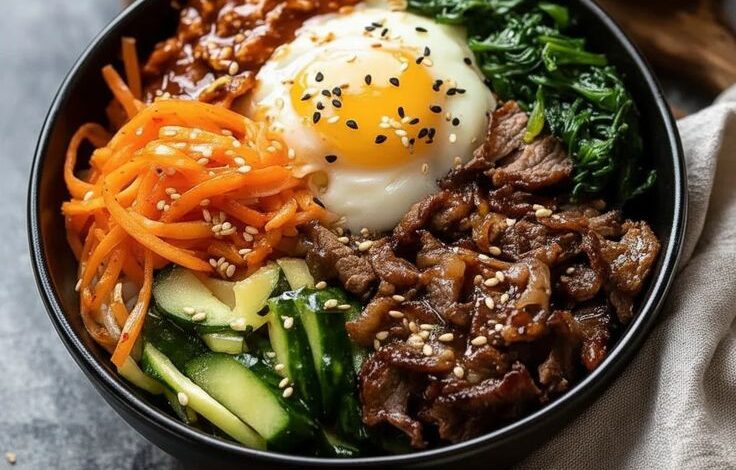
Get ready to discover a truly magical dish: Bibimbap! This vibrant Korean mixed rice bowl is a feast for your eyes and your taste buds. Each spoonful offers a delightful medley of savory beef, crisp vegetables, fluffy rice, and a hint of spicy-sweet sauce. It’s a culinary adventure that brings joy with every bite, making it a favorite around the world.
You might think such a beautiful dish would be complicated to make, but you’d be delightfully wrong! Bibimbap is surprisingly easy and quick to prepare, especially if you do a little bit of chopping ahead of time. Most components are simple stir-fries or blanched vegetables, coming together in a flash. It’s perfect for a weeknight dinner or a fun weekend project.
So, why not bring a taste of Korea into your kitchen today? This recipe for Bibimbap with Beef is designed for home cooks of all levels. We’ll guide you through each step, making it simple and enjoyable. You’ll be amazed at how quickly you can create this stunning and delicious meal. Let’s get cooking!
Cooking Time & Prep Time
Prep Time: 40 minutes
Cooking Time: 25 minutes
Total Time: 65 minutes
Small tip: To save time, you can chop all your vegetables the day before. Store them in airtight containers in the fridge. This makes assembly much faster on cooking day!
Ingredients
This recipe makes 4 servings.
For the Cooked Rice
- 2 cups short-grain white rice
- 3 cups water
For the Beef
- 1 lb thinly sliced beef (sirloin or ribeye works best)
- 1 tbsp soy sauce
- 1 tbsp sesame oil
- 1 tbsp minced garlic
- 1 tsp sugar
- 1/4 tsp black pepper
For the Vegetables
- 1 tbsp sesame oil (for cooking vegetables)
- 1 large carrot, julienned
- 1 zucchini, julienned
- 8 oz spinach, blanched and squeezed dry
- 8 oz shiitake mushrooms, sliced
- 1 cup mung bean sprouts, blanched
- 1/2 tsp salt (for seasoning vegetables)
For the Bibimbap Sauce (Gochujang Sauce)
- 3 tbsp Gochujang (Korean chili paste)
- 1 tbsp sesame oil
- 1 tbsp sugar or honey
- 1 tbsp rice vinegar
- 1 tbsp water
- 1 tsp minced garlic
- 1 tsp roasted sesame seeds
For Garnish
- 4 large eggs
- Extra sesame oil
- Roasted sesame seeds
- Nori (seaweed) strips, optional
Step-by-Step Instructions
-
Step 1: Cook the Rice
Rinse the short-grain rice several times until the water runs clear. Combine the rinsed rice and water in a medium pot. Bring to a boil, then reduce heat to low, cover, and simmer for 15-20 minutes, or until all water is absorbed. Let it sit, covered, for another 10 minutes off the heat. Fluff with a fork.
Small tip: For perfectly fluffy rice, resist the urge to lift the lid while it’s cooking or resting.
-
Step 2: Marinate the Beef
While the rice cooks, prepare the beef. In a medium bowl, combine the thinly sliced beef with soy sauce, sesame oil, minced garlic, sugar, and black pepper. Mix well to coat the beef evenly. Let it marinate for at least 15 minutes at room temperature, or longer in the refrigerator.
Small tip: Slicing beef thinly is easier when it’s slightly frozen.
-
Step 3: Prepare the Vegetables
Heat 1 tbsp of sesame oil in a large skillet or wok over medium-high heat. Sauté the julienned carrots for 2-3 minutes until slightly tender-crisp. Remove from the pan and set aside. Repeat this process for the zucchini, cooking for 2-3 minutes. For the spinach and bean sprouts, blanch them quickly in boiling water for 30 seconds, then immediately plunge into ice water to stop cooking. Squeeze out excess water for the spinach. For the mushrooms, sauté them until tender, about 3-4 minutes. Season each vegetable lightly with a pinch of salt after cooking.
Small tip: Cook vegetables separately to maintain their distinct textures and flavors.
-
Step 4: Cook the Beef
In the same skillet, increase the heat to high. Add the marinated beef in a single layer. Cook for 2-3 minutes per side, stirring occasionally, until browned and cooked through. Be careful not to overcrowd the pan; cook in batches if necessary.
Small tip: High heat ensures a good sear on the beef without overcooking it.
-
Step 5: Make the Bibimbap Sauce
In a small bowl, whisk together the Gochujang, sesame oil, sugar or honey, rice vinegar, water, minced garlic, and roasted sesame seeds. Mix until smooth and well combined. Taste and adjust sweetness or spiciness as desired.
Small tip: You can make this sauce ahead of time and store it in the fridge for up to a week.
-
Step 6: Fry the Eggs
In a separate small non-stick pan, fry the eggs sunny-side up or over easy. You want the yolks to still be runny, as they will add richness to the dish when mixed in.
Small tip: A runny yolk is traditional for Bibimbap, but cook to your preference.
-
Step 7: Assemble Your Bibimbap Bowls
To assemble, place a generous portion of cooked rice in the bottom of a large serving bowl. Arrange the cooked beef and each type of prepared vegetable (carrots, zucchini, spinach, mushrooms, bean sprouts) neatly around the edge of the rice. Place a fried egg right in the center. Drizzle with a little extra sesame oil and sprinkle with roasted sesame seeds and nori strips if using. Serve immediately with a dollop of the Bibimbap sauce on the side or directly on top.
Small tip: For an authentic touch, use a traditional stone dolsot bowl for assembly and heat it on the stove for a crispy rice crust!
Tips & Variations
- Gluten-Free Option: Simply swap regular soy sauce for a certified gluten-free tamari. Ensure your Gochujang is also gluten-free (some brands contain wheat).
- Vegan/Vegetarian Option: Omit the beef and egg. Replace the beef with pan-fried tofu or tempeh, seasoned with the same marinade. Add an extra variety of mushrooms or more vegetables like bell peppers and broccoli.
- Add More Vegetables or Protein: Feel free to experiment! Try adding sautéed bell peppers, cucumber, radish, or even kimchi. For extra protein, cooked shrimp or chicken can also be wonderful additions.
- Spicy Version: Increase the amount of Gochujang in the sauce for a fiery kick. You can also add a pinch of Korean chili flakes (gochugaru) to the sauce or sprinkle them directly over the finished dish.
- Flavor Boost: For a deeper, richer flavor, consider adding a tablespoon of fermented soybean paste (doenjang) to the beef marinade. It adds a wonderful umami depth.
Nutritional Information
Approximate values per serving (based on 4 servings):
- Calories: 650 kcal
- Protein: 40g
- Carbohydrates: 75g
- Fat: 20g
Please note that nutritional values may vary depending on exact ingredient brands and portion sizes used.
Health Benefits
Bibimbap is not just delicious; it’s packed with goodness! The combination of fresh ingredients offers a wide array of health benefits.
The lean beef provides an excellent source of high-quality protein, which is essential for muscle repair and growth. It also delivers iron and B vitamins, crucial for energy production and healthy blood. The array of colorful vegetables adds a powerful punch of vitamins, minerals, and dietary fiber.
Spinach, for example, is rich in Vitamin K, Vitamin A, and iron. Carrots are loaded with beta-carotene, great for eye health. Zucchini provides Vitamin C and potassium, while mushrooms offer B vitamins and antioxidants. These ingredients work together to support overall well-being, boosting your immune system and promoting healthy digestion.
Even the Gochujang, in moderation, contributes to the health profile. It contains capsaicin, which may help boost metabolism. The sesame oil adds healthy fats and antioxidants. Eating a variety of vegetables in one meal ensures you get a broad spectrum of nutrients, making Bibimbap a truly balanced and nourishing dish.
Serving Suggestions
- What to serve with: Bibimbap is often served with a simple clear soup, like a mild seaweed soup (miyeokguk), and a side of kimchi.
- Main or Side Dish: This hearty bowl is definitely a complete main dish on its own, offering a perfect balance of carbs, protein, and vegetables.
- Meal Prep Ideas: Prepare all the individual vegetable components and the beef ahead of time. Store them separately in the fridge. Cook fresh rice and fry an egg when you’re ready to assemble and eat.
Storage Tips: Leftover Bibimbap components can be stored separately in airtight containers in the refrigerator for up to 3-4 days. It is generally not recommended to freeze assembled Bibimbap due to the varying textures of the vegetables and the egg. To reheat, gently warm the rice and beef in a microwave or on the stovetop. Re-sauté the vegetables briefly if you want to crisp them up again. Always serve with a freshly fried egg.
Conclusion
There you have it – your very own homemade Bibimbap with Beef! This dish is a testament to how simple ingredients can come together to create something truly spectacular. It’s a riot of colors, textures, and flavors that will leave you feeling satisfied and happy. Plus, knowing you made such a healthy and beautiful meal from scratch is incredibly rewarding.
We encourage you to roll up your sleeves and give this recipe a try. Don’t be intimidated by the number of components; each one is straightforward. Once you’ve made it, you’ll see just how easy and enjoyable the process is. You’ll quickly add this to your list of favorite go-to meals.
So gather your ingredients, follow these steps, and enjoy the delicious journey. Share your creation with family and friends, and watch their faces light up with delight. Happy cooking, and enjoy your amazing Bibimbap!